◆ World News
Zimbabwean author Simbarashe Kundizeza cleared of using AI to write prize-winning story
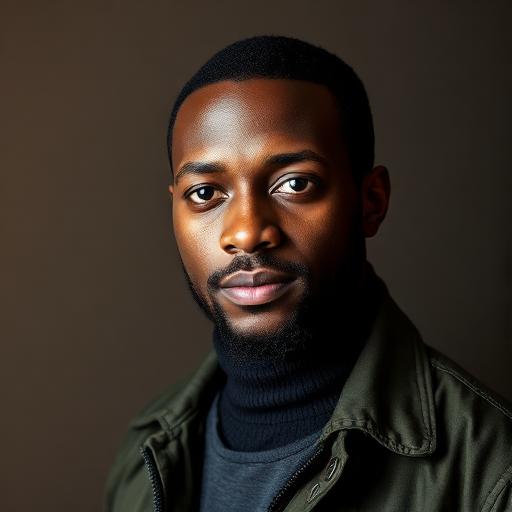
_ ‘I am happy to put all this behind me and continue with my writing journey’ … Simbarashe KundizezaView image in fullscreen‘I am happy to put all this behind me and continue with my writing journey’ … Simbarashe Kundizeza
Zimbabwean author Simbarashe Kundizeza cleared of using AI to write prize-winning story
After a month-long investigation it was concluded that Kundizeza’s story The Blue Fighter, which won the £10,000 Caine prize, was ‘human-written’
Find the leak that's costing you the most money.
Paste a hand history and PokerHack ranks your worst mistakes by $EV lost, then shows the exact GTO fix for each one.
The Zimbabwean author Simbarashe Kundizeza has been cleared of using AI to write a prize-winning short story, after the prestigious Caine prize for African writers concluded that his entry was “human-written” after a month-long investigation.
Kundizeza’s story The Blue Fighter, which charts the declining fortunes of a family after the father invests in fish tanks, was announced as the winner of the £10,000 prize on 6 October.
Five days later, the Atlantic published an article titled “Yet another literary prize winner seems to be AI”, in which the author and journalist Vauhini Vara said the AI-detection software Pangram, which itself uses AI, had deemed the story to be almost completely artificially generated.
1.200 grinders trocaram de solver mês passado.
The Caine prize chair, Ellah Wakatama, said in a statement: “From our detailed investigation, we feel the evidence is clear: The Blue Fighter was human-written. We now look forward to awarding and celebrating Simbarashe Steyn Kundizeza … before the end of the year.”
She said: “When concerns were raised, we have a duty as an organisation to look at them carefully and fairly,” adding that the prize had taken a “human-centred” approach to its investigation.
“Our review included interviews with the author, the 2026 judging panel and The Shallow Tales Review, where the story was first published,” Wakatama said. “It also included independent and expert-led metadata analysis of drafts written by the author.”
Kundizeza, who had strongly denied using generative AI to write the story, said he was “relieved” that the allegations had been dismissed after the investigation. “It was not necessary in the first place, I am happy to put all this behind me and continue with my writing journey,” he said.
Vara’s article prompted outrage online, with many claiming that Black writers, and Africans in particular, were being unfairly singled out by allegations of the use of AI.