◆ Entertainment
Zoe Saldaña Says It’s ‘Frustrating’ When Political Questions Only Get Asked to Actors of Color and Women: ‘That’s Incredibly Limiting’
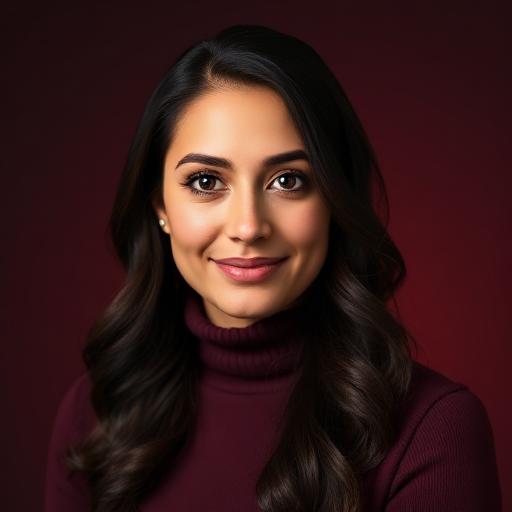
Actress Zoe Saldaña has expressed frustration over the disproportionate targeting of actors of color and women for political questions within the entertainment industry. Saldaña, an Oscar winner, stated that she frequently engages in Q&A sessions with the intention of discussing the nuances of acting and the creative process. However, she finds it limiting when these opportunities are predominantly used to solicit her views on political matters, suggesting that such questioning is not applied with equal frequency across the broader spectrum of industry professionals.
The sentiment highlights a perceived imbalance in how public figures are approached regarding their personal and political stances. Saldaña's comments imply a desire for a more equitable distribution of such inquiries, suggesting that focusing solely on certain demographics for political commentary can inadvertently pigeonhole their public image and limit the scope of professional discussions. This approach, she argues, can be "incredibly limiting" to the artists themselves and potentially to the audience's perception of their work and broader contributions.
Tu pool ya lo está usando. ¿Y tú?
Saldaña's remarks, made during a discussion at the Locarno Film Festival, underscore a growing conversation about representation and the expectations placed upon individuals in the public eye. While actors are often seen as influential voices, the specific focus on certain groups for political commentary raises questions about industry-wide practices and the potential for stereotyping. The actress's desire to engage more deeply with the craft of acting suggests a wish to be recognized and discussed for her artistic merits, beyond the political or social labels that may be prematurely attached to her.
The implications of Saldaña's statement extend to how talent is perceived and interviewed. By calling out this perceived disparity, she is advocating for a more holistic engagement with actors, one that acknowledges their full range of professional interests and expertise. This perspective suggests a need for the media and industry platforms to consider a more balanced approach to questioning, allowing all artists to be recognized for their craft while also ensuring that political inquiries are not solely concentrated on specific demographic groups, thereby fostering a more inclusive and nuanced public discourse.